
Imagine a customer visits your website at night. She fills a form asking for a quotation. She shares her name, mobile number, email, city, and maybe a few business details. The next morning, your sales team calls her. So far, this looks normal.
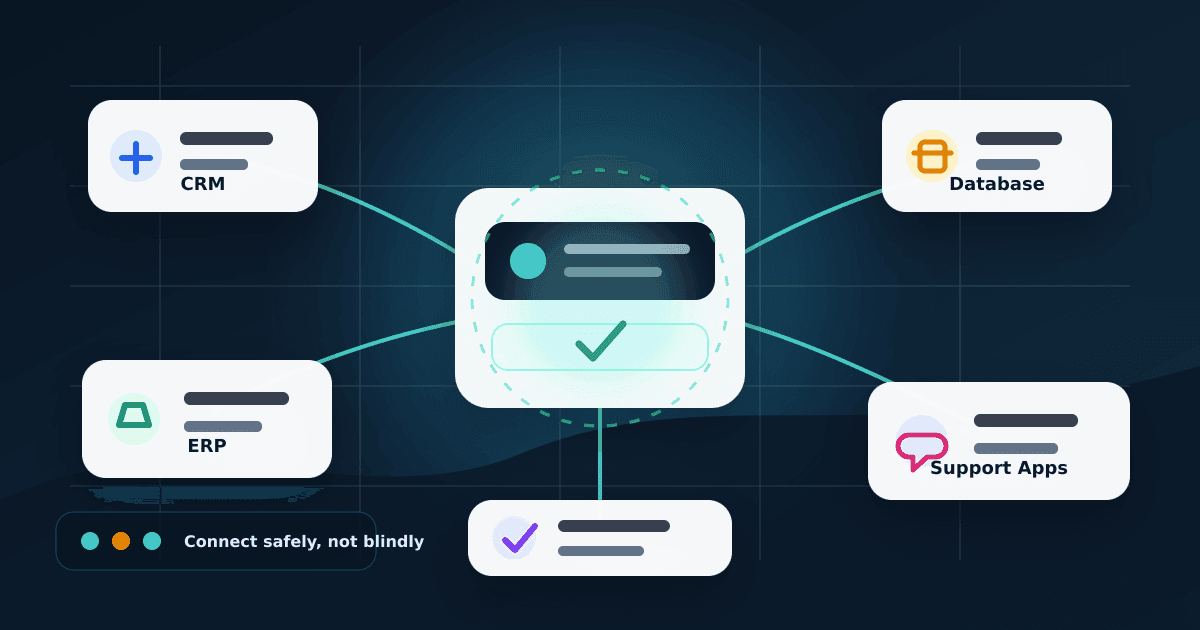
But where did that data go after she clicked submit? Was it stored inside your website database? Was it forwarded to Gmail? Did it enter a CRM? Was it copied into a Google Sheet? Did someone add the number to a WhatsApp marketing list? Can an old employee still open that sheet?
This is the real-world problem behind India’s Digital Personal Data Protection law. It is not only about having a privacy policy page. It is about building websites, apps, forms, and business systems that handle customer data responsibly.
The simple meaning
Personal data means information that can identify a person. For a small business, this can be a name, phone number, email, address, customer ID, order history, support ticket, appointment detail, or payment-related information. If your website or app collects it, you need a proper system to protect it.
Why small businesses should care now
Many Indian small businesses are becoming digital very fast. A simple website now connects to lead forms, WhatsApp, payment links, CRMs, email tools, analytics, support tools, and sometimes AI chatbots. That means customer data moves through many places.
If the business does not know where the data is going, it cannot protect it properly. This creates risk for customers and for the business reputation.
The law is a reminder to treat customer data like business money: collect only what is needed, keep it safe, control access, and do not use it carelessly.
A story every business owner will understand
A coaching institute runs ads for admissions. Students fill a website form. The form sends data to email, a spreadsheet, and a WhatsApp follow-up tool. The institute changes its marketing agency after three months, but nobody removes the old agency user from the sheet.
Later, a parent asks, “Where did you get my number from, and how can I remove it?” The team has no clear answer. The privacy policy exists on the website, but the actual system is messy.
This is exactly the gap small businesses need to fix: not just legal wording, but real data handling inside the website and daily workflow.
What should happen when a customer submits a form
Ask clearly
Tell the person what data you are collecting and why before the form is submitted.
Use the data only for that reason
If the form is for a quotation, do not silently add the person to unrelated bulk marketing lists.
Store proof
Keep a simple record of when consent was taken, from which form, and for which purpose.
Give a way out
Allow people to request correction, deletion, or withdrawal where applicable.
What small businesses should build beyond a privacy policy
Plain-language privacy notice
Write a short privacy notice near important forms. Avoid legal-heavy copy that normal customers cannot understand.
Consent checkbox and consent log
For lead forms, newsletter forms, WhatsApp opt-ins, and app signups, record the consent text, time, page, and purpose.
Clean data map
Know where customer data goes: website database, email inbox, CRM, Google Sheet, WhatsApp tool, payment gateway, or support system.
Role-based access
Sales team may need leads. Interns may not need full customer exports. Keep access limited and review it regularly.
Correction and deletion process
Create a practical way to update wrong data or delete old data when a valid request comes in.
Security basics
Use strong admin passwords, two-factor authentication, HTTPS, database backups, and private storage for exports.
Common mistakes to avoid
- Copying a privacy policy from another website without matching the real data flow.
- Sending website leads into open Google Sheets that many old employees can still access.
- Collecting phone numbers for a quote and later using them for unrelated bulk WhatsApp messages.
- Keeping every lead forever even when the business no longer needs it.
- Letting all admin users download full customer lists without approval or logging.
- Using third-party tools without checking where customer data is stored or who can access it.
Website forms need special attention
Website forms are usually the first place where personal data enters the business. A good form should not only look nice. It should also tell the person why the data is needed, where it may be used, and what action the business will take after submission.
For example, a contact form can say that the details will be used to reply to the enquiry. A newsletter form can say that the email will be used to send updates. A WhatsApp opt-in should make it clear that the person may receive messages on WhatsApp.
This small clarity builds trust and reduces future disputes.
Security is part of data protection
A privacy notice is useless if the admin panel is weak. Small businesses should check who can see leads, who can export customer lists, where backups are stored, and whether old staff accounts are still active.
Basic security work like HTTPS, strong passwords, two-factor authentication, backup access control, and private file storage can prevent many avoidable data incidents.
A practical 30-day action plan
Audit the data flow
List every form, app screen, CRM field, sheet, email inbox, and integration that stores personal data.
Fix forms and notices
Add clear notices, consent checkboxes where needed, and proper purpose labels for leads, support, marketing, and accounts.
Lock access and exports
Review admin users, remove old accounts, restrict exports, and enable stronger login security.
Create request and retention rules
Define how your team handles correction, deletion, consent withdrawal, breach reporting, and old lead cleanup.
What a development team should actually deliver
A practical implementation should include updated website forms, consent records, CRM field cleanup, admin access review, request handling workflow, secure exports, and clear documentation for the business team.
For websites and apps, this usually requires work across frontend, backend, database, email, CRM, WhatsApp, analytics, hosting, and admin panels. That is why this topic should not be left only to a copied privacy policy template.
If the business can answer where data is collected, why it is collected, who can see it, how long it is kept, and how a customer can request changes, it is already in a much stronger position.
Final takeaway
India’s Digital Personal Data Protection law is not only a legal topic. For small businesses, it is a website, CRM, security, and workflow topic. Start with the forms where customer data enters the business, then clean the systems where that data travels.